Nourishing Body and Spirit: Reclaiming Health Through Cultural Nutrition and Sacred Land Relationships
Nourishing Body and Spirit: Reclaiming Health Through Cultural Nutrition and Sacred Land Relationships
 In today’s fast-paced, hyper-processed food culture, our meals often lack not only nutrients—but meaning. The convenience of modern diets has pulled us away from ancestral wisdom, detaching us from the land and the spirit of the foods we eat. But healing our bodies starts with healing our relationship to the Earth, and there is no more powerful example of this than the traditional Native American story of the Three Sisters: corn, beans, and squash.
These three crops are more than ingredients—they are relatives, teachers, and protectors. Rooted in the agricultural and spiritual knowledge of Indigenous peoples, the Three Sisters represent a holistic approach to nourishment, where food is not just fuel but a reflection of sacred ecology and balanced living. To eat healthfully is not simply about choosing the “right” nutrients—it’s about rekindling a relationship with the Earth itself.
Beyond the Plate: Traditional Ecological Knowledge
The Three Sisters are a living embodiment of “Traditional Ecological Knowledge” (TEK)—a deep understanding of the interconnectedness between humans, plants, animals, and ecosystems. Passed down through generations, TEK is not just about how to grow food, but about how to live in a respectful relationship with the Earth.
This wisdom stands in stark contrast to modern industrial food systems, which often prioritize yield over sustainability and profit over people. In embracing TEK, we begin to see food not as a product, but as a process—one rooted in ceremony, community, and care. It invites us to listen to the land, to respect its cycles, and to remember that we are part of nature, not separate from it.
The Eldest Sister: Corn – The Backbone of Nourishment
Corn, the first sister, stands tall in the center of the garden. In Native teachings, she is the eldest, the one who leads and provides a framework for the others to thrive. In a physical sense, her tall stalks act as a natural trellis, supporting the climbing vines of the beans. Spiritually, she is strength, structure, and generosity. The karma of corn in America is considered sacred. It is very different from the karma of wheat, which is not actually native to America. It is native to Europe and has a very poor karma in American soil.
Corn is often viewed as a life-giver, representing sustenance and continuity. When grown in harmony with her sisters, she becomes more than a crop—she becomes a symbol of leadership and foundational support, showing us that good health stems from structure and deep roots. As the backbone of the trio, she teaches us to stand tall and hold space for others to grow.
 The Connector Sister: Beans – The Giver of Life
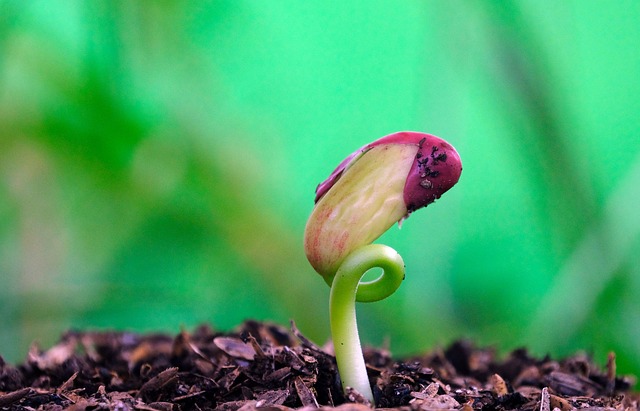
Beans are the second sister, and they are the givers. Their vines gently wrap around the corn, seeking connection and offering something essential in return: nitrogen to the soil. This quiet act of reciprocity enriches the Earth, ensuring fertility for future harvests. In this way, beans symbolize cooperation, humility, and mutual aid.
Spiritually, beans remind us of the importance of interdependence. Just as they rely on corn for support, we too thrive in communities where care flows in all directions. Their ability to fix nitrogen shows us that true nourishment is not only about what we take, but what we give back—to the land, to each other, and to ourselves.
The Protective Sister: Squash – The Guardian of the Soil
The third sister, squash, stays low to the ground. Her broad, sprawling leaves cover the soil like a living blanket, protecting it from erosion, weeds, and moisture loss. She is the nurturer and defender, creating an environment in which her sisters can thrive.
In Indigenous teachings, squash represents protection, abundance, and family. Her presence is grounding and expansive, much like the role of a caregiver. She teaches us the importance of creating safe, nourishing spaces—not only in gardens, but in our lives.
 Reconnecting for True Health
If we want to eat healthy, we must go beyond calorie counts and nutrition labels. We must reforge our relationship with the Earth—because true nourishment is not just about what we eat, but how we grow it, honor it, and share it.
Highly processed foods are designed to stimulate dopamine. They can keep us locked in cycles of craving without connection. The result? Malnourished bodies and disconnected minds. Reconnecting with ancestral foods like the Three Sisters can pull us out of that cycle. It offers us real flavor, real nutrition, and real meaning.
It’s time to return to the soil, to sit with the stories of our food, and to honor the wisdom that has nourished people for generations. When we plant and/or eat organic corn, beans, and squash together, we plant a vision of health that is communal, ecological, and deeply spiritual.
By integrating cultural knowledge into our approach to nutrition, we don’t just eat better—we live better!