The Power of Nutrition in Preventing Chronic Conditions
The Power of Nutrition in Preventing Chronic Conditions
As a Women’s Health Dietitian, something I love to discuss with my patients is the importance of health > weight, and a big part of that conversation is how our nutrition and food choices go far beyond what we look like on the outside. In a society that promotes quick fixes, physical appearance, and short-term results, I strive to change the narrative to a long-term approach that will improve your quality of life, prevent chronic diseases, and support your health from the inside out.
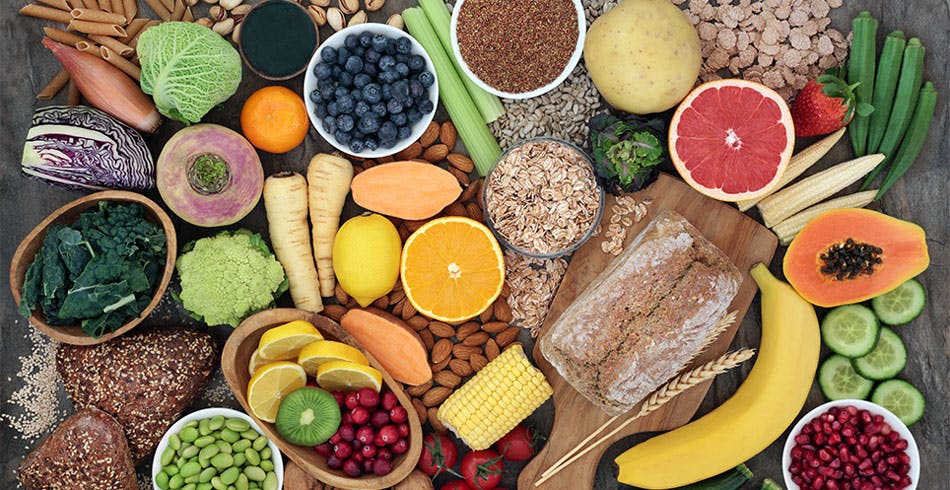
Chronic conditions, such as diabetes, heart disease, and obesity, typically result from a combination of genetic, physiological, environmental, and behavioral factors – with nutrition influencing a large number of these. Therefore, you can use intentional nutrition as a powerful tool in preventing such chronic conditions, and setting your future up for success.

The Power of a Balanced Diet

A balanced diet rich in whole foods—such as fruits, vegetables, whole grains, lean proteins, and healthy fats—provides essential nutrients that our bodies need to function properly. These types of foods help support our vitamin and mineral needs (those micronutrients you may have heard about) to promote optimal body function. It gives us energy, supports our mood and immune system, empowers our brain health, just to name a few!

Focusing on whole foods, instead of ultra-processed foods, is a powerful way that you can support long-term health and work to prevent such conditions.
Let’s get specific:
Diabetes, particularly type 2, is closely linked to diet and lifestyle. Here are some strategies to promote optimal blood sugar response and balance:
Fiber-Rich Foods: Foods high in fiber, such as whole grains, legumes, fruits, and vegetables, help regulate blood sugar levels by slowing down the absorption of sugar – preventing that rollercoaster.
Healthy Fats: Sources of healthy fats like avocados, nuts, seeds, and olive oil are powerful anti-inflammatory nutrients and may help our insulin sensitivity.
Heart disease affects many people worldwide, and a healthful diet can have a huge positive impact on our heart health as we age.

Omega-3 Fatty Acids: Found in fatty fish, flaxseeds, and walnuts, and may help to reduce inflammation and lower triglyceride levels.
Antioxidant-Rich Foods: Berries, dark chocolate, and green tea are rich in antioxidants, which can help protect against oxidative stress and inflammation.
Potassium-Rich Foods: Bananas, spinach, and sweet potatoes can help to manage blood pressure levels and keep our sodium-potassium balance in check!
Challenging Obesity:
Obesity is a major risk factor for both diabetes and heart disease. Finding balanced ways to manage your weight is a crucial piece to preventing chronic conditions.
Protein: High-protein foods like lean meats, beans, and legumes promote feeling fuller for longer, and help build muscle mass which is great for your metabolism!
Mindful Snacking: Choose high-quality snacks focused around whole foods, protein, and healthy fat is a great way to support your appetite, cravings, and prevent empty calories with ultra-processed foods!
Balance: Health does not have to be perfect 100% of the time to reap the benefits! If you are just starting your journey, the 80-20 rule is a great way to introduce the idea of health balance!
80% of the time we are intentional and opt for options that will nourish our present and future health!
20% of the time we may find enjoyment in foods high in sugars, fats, larger portions, etc. and appreciate these moments and the freedom of not feeling restricted with food!
Some of those vitamins and minerals that we talked about above include:
Vitamin D: Essential for bone health and immune function, vitamin D can be found from sunlight, fatty fish, and fortified foods.
Magnesium: Found in nuts, seeds, and leafy greens, magnesium is a key player in stress, blood sugars, nerves, and muscles!
Vitamin C: This powerful antioxidant, found in citrus fruits, strawberries, and bell peppers, supports immune function and helps repair body tissues.
By making targeted dietary choices and focusing on nutrient-rich foods, you can protect yourself from chronic conditions like diabetes, heart disease, and obesity. Emphasizing the importance of whole foods and the critical role of micronutrients will support your overall health and well-being. Remember, small changes can lead to significant health benefits over time. Start today by incorporating these dietary strategies into your daily routine, and take control of your health journey!