The Power of Preventative Health: Small Steps, Big Rewards!
The Power of Preventative Health: Small Steps, Big Rewards!
Taking care of your health isn’t about drastic changes or complex routines—it’s all about those small, simple steps you can take every day to set yourself up for a healthier, happier future. Preventative health is one of the best ways to make sure you’re feeling your best now while protecting your well-being in the long run. The foods we eat impact everything from our energy levels to our immune system, heart health, and even mental clarity.
Let’s take a look at some key strategies that can help boost your health and keep potential health concerns at bay!
1. Eat a Variety of Whole, Nutrient-Dense Foods
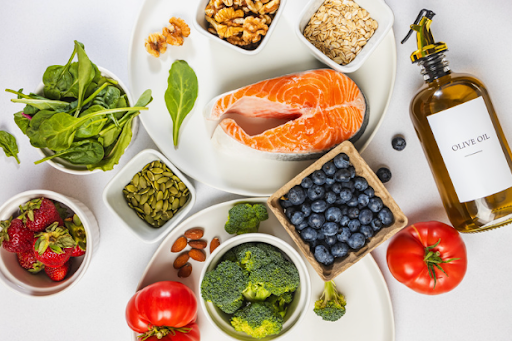
The foundation of preventative nutrition is to prioritize whole foods—foods that are minimally processed and rich in nutrients. This includes:
- Fruits and Vegetables: A colorful plate is a healthy plate! Fruits and veggies are packed with vitamins, minerals, antioxidants, and fiber, which support immune function, gut health, and disease prevention. Aim to include a variety of colors to get the full spectrum of nutrients.
- Whole Grains: Opt for whole grains like quinoa, brown rice, oats, and barley. These are rich in fiber and can help reduce the risk of chronic diseases like heart disease and type 2 diabetes.
- Lean Proteins: Include protein from a variety of sources like lean meats, poultry, fish, beans, lentils, tofu, and eggs. Protein is crucial for muscle repair, maintaining a healthy metabolism, and supporting the body’s healing processes.
- Healthy Fats: Don’t shy away from healthy fats like avocados, olive oil, nuts, seeds, and fatty fish like salmon. These fats are essential for brain health, hormone regulation, and reducing inflammation.
2. Focus on Anti-Inflammatory Foods
Chronic inflammation is a key player in many health conditions, including heart disease, diabetes, and arthritis. Anti-inflammatory foods can help reduce this risk and protect your body from inflammation. Some anti-inflammatory powerhouses include:
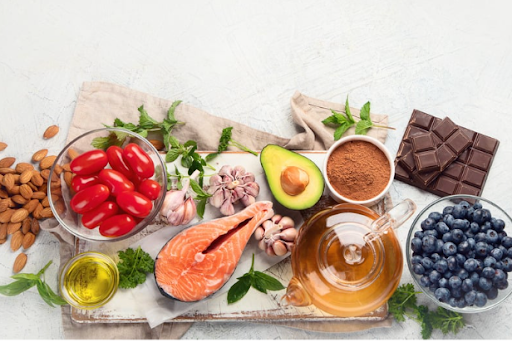 Berries: Rich in antioxidants, particularly vitamin C, berries like blueberries, strawberries, and raspberries help combat oxidative stress and inflammation.
Leafy Greens: Spinach, kale, and Swiss chard are excellent sources of vitamins and minerals, including anti-inflammatory compounds that protect your cells.
Turmeric and Ginger: Both of these spices are known for their powerful anti-inflammatory properties.
Fatty Fish: Omega-3 fatty acids found in fish like salmon, mackerel, and sardines are incredibly effective at reducing inflammation in the body.
3. Prioritize Gut Health
A healthy gut is essential for overall well-being and can influence everything from digestion to mood, immune function, and skin health. To improve gut health:
- Eat Prebiotic and Probiotic Foods: Prebiotics (found in foods like garlic, onions, and bananas) feed the healthy bacteria in your gut, while probiotics (found in yogurt, kefir, and fermented foods like kimchi) introduce beneficial bacteria. Together, they help balance your gut microbiome.
- Fiber is Key: High-fiber foods like fruits, vegetables, beans, and whole grains help keep things moving in your digestive system, reducing the risk of constipation, IBS, and other gut issues.
4. Stay Hydrated
Water is often overlooked, but it’s essential for nearly every function in the body, from digestion to detoxification. Dehydration can lead to fatigue, headaches, and impaired cognitive function.
- Drink Water Throughout the Day: Aim for at least 8 cups of water per day, more if you’re active. Infuse your water with slices of fruit or herbs like mint for a refreshing twist.
- Limit Sugary Drinks: Instead of sugary sodas or energy drinks, try herbal teas or sparkling water with a splash of lemon.
5. Reduce Stress Through Nutrition
Stress is a major contributor to many health issues, including heart disease and digestive problems. Nutrition can help support your body in managing stress more effectively:
- Magnesium-Rich Foods: Magnesium helps regulate the stress response and can help improve sleep. Foods like spinach, pumpkin seeds, almonds, and dark chocolate are great sources of magnesium.
- B-Vitamins: B-vitamins, particularly B6, B12, and folate, play a key role in maintaining a healthy nervous system and reducing feelings of anxiety. Include foods like eggs, leafy greens, and legumes in your meals.
6. Exercise and Movement Matter
While this blog is about nutrition, it’s impossible to overlook the power of physical activity in maintaining good health. Regular exercise helps prevent chronic conditions like heart disease, diabetes, and arthritis.
7. Get Quality Sleep
 Sleep is an essential pillar of preventative health. Poor sleep is linked to a variety of health conditions, including obesity, diabetes, and weakened immunity. To improve sleep quality:
Stick to a consistent sleep schedule, aiming for 7-9 hours per night.
Limit caffeine in the afternoon and evening.
Create a relaxing bedtime routine (like reading or taking a warm bath) to signal to your body that it’s time to unwind.
8. Mindful Eating
Finally, a simple but often overlooked strategy for preventing chronic conditions is mindful eating. By slowing down and paying attention to how food makes you feel, you can avoid overeating and make healthier food choices.
- Eat without distractions (like your phone or TV) and focus on the flavors, textures, and sensations of each bite.
- Listen to your body’s hunger and fullness cues to avoid overeating.

Remember, small changes over time can lead to big results! You don’t need to overhaul your entire lifestyle at once—take it one meal at a time and celebrate your progress along the way.
If you’re looking for personalized guidance on how to make preventative nutrition work for you, don’t hesitate to reach out. We are here to support you on your wellness journey!